Most parents ask this question in one of two moments: when a report card arrives with a surprise on it, or when a friend mentions their child has started somewhere. Neither is a bad reason. But the better question is what you want tutoring to do, because the answer changes with the year level, and it is rarely "fix a problem".
Tutoring is not a repair job
The old model of tutoring was remedial. A student falls short, a tutor is hired, the gap is patched. That model still exists, and it has its place. It is also the reason many parents of strong students never consider it.
The students who gain the most from structured tutoring are usually the ones already doing well. They are not short of ability. What they are short of is a system: a consistent weekly rhythm, practice that follows the teaching rather than wandering off it, and someone to ask when a concept does not land the first time. School provides some of this, but the quality varies with the teacher a student happens to get, and even excellent schools cannot give every student the attention they would like.
Thought about that way, the right time to start is before the stakes arrive, so the habits are in place when they do.
Years 7 and 8: build the rhythm
At this age the goal isn't marks, it's the habit of doing a bit every week, finding out early what you do not understand, and getting comfortable asking for help. A student who learns in Year 7 that a question is a normal part of learning, rather than an admission of weakness, carries that into every year that follows.
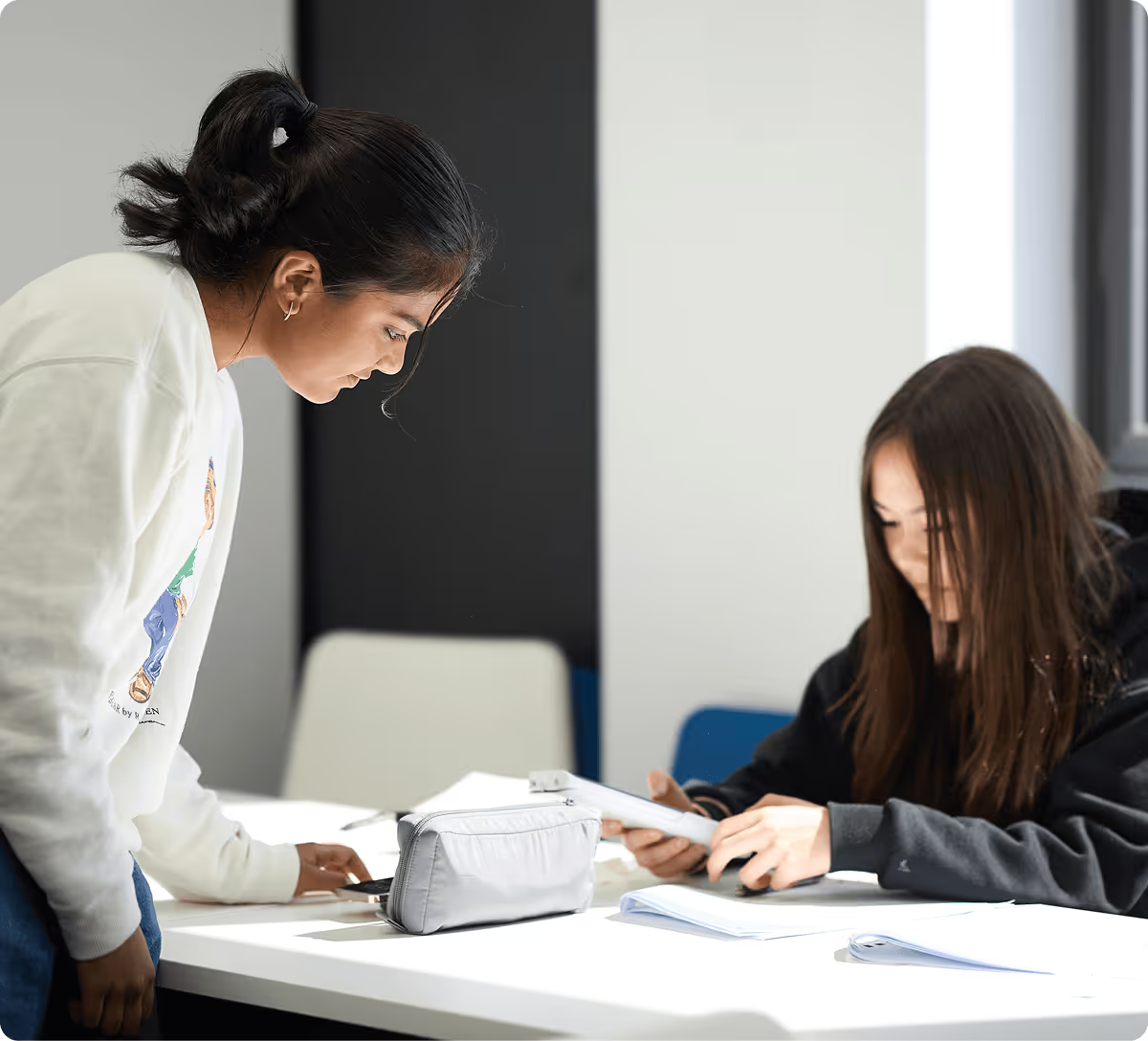
This is also where the pace of school maths starts to separate students. Those who grasp a topic quickly can be left idling; those who need a second explanation often do not get one before the class moves on. Small-group tutoring with a regular assessment rhythm gives both groups something school timetables rarely can.
Years 9 and 10: get ahead of the senior years
Year 10 is the last year before results start to count, which makes it the most valuable year to be deliberate. Subject choices for Year 11 are made here, and those choices depend on confidence as much as capability. A student who feels secure in Methods-style thinking in Year 10 will choose differently from one who finds it frustrating.
This is the year to build exam technique under time pressure, learn how to prepare for an assessment rather than cram for it, and develop the independent study habits that Year 12 assumes you already have. Students who arrive at Units 1 and 2 with those skills spend the year refining them. Students who arrive without them spend the year acquiring them while the content moves on.
Years 11 and 12: structure and consistency
In the senior years, tutoring shifts from habit-building to performance. Every SAC, internal assessment or assessment task in Year 12 carries weight, and the external exam at the end of the year is the final test of everything learnt. The job of tutoring here is to make sure a student has seen every type of question before it counts, has practised under real conditions, and has somewhere to take a problem the night before a SAC rather than the morning after.
If a student is starting in Year 12, start early in the year rather than waiting for the first results. A SAC in Term 1 carries the same weight in October as it does in February.
Signs a student would benefit now
These are the patterns we see most often, regardless of year level:
- Grades are fine, but the student cannot explain why an answer is right, only that it is.
- Homework is finished quickly and without much thought, or not finished at all.
- The student is bored in class but does not stretch themselves outside it.
- A good SAC result is followed by a weaker exam result in the same topic.
- The student has stopped asking questions at school because they do not want to be the one who did not get it.
None of these is a crisis. All of them are easier to address in a structured weekly setting than through good intentions alone.
Where Contour fits
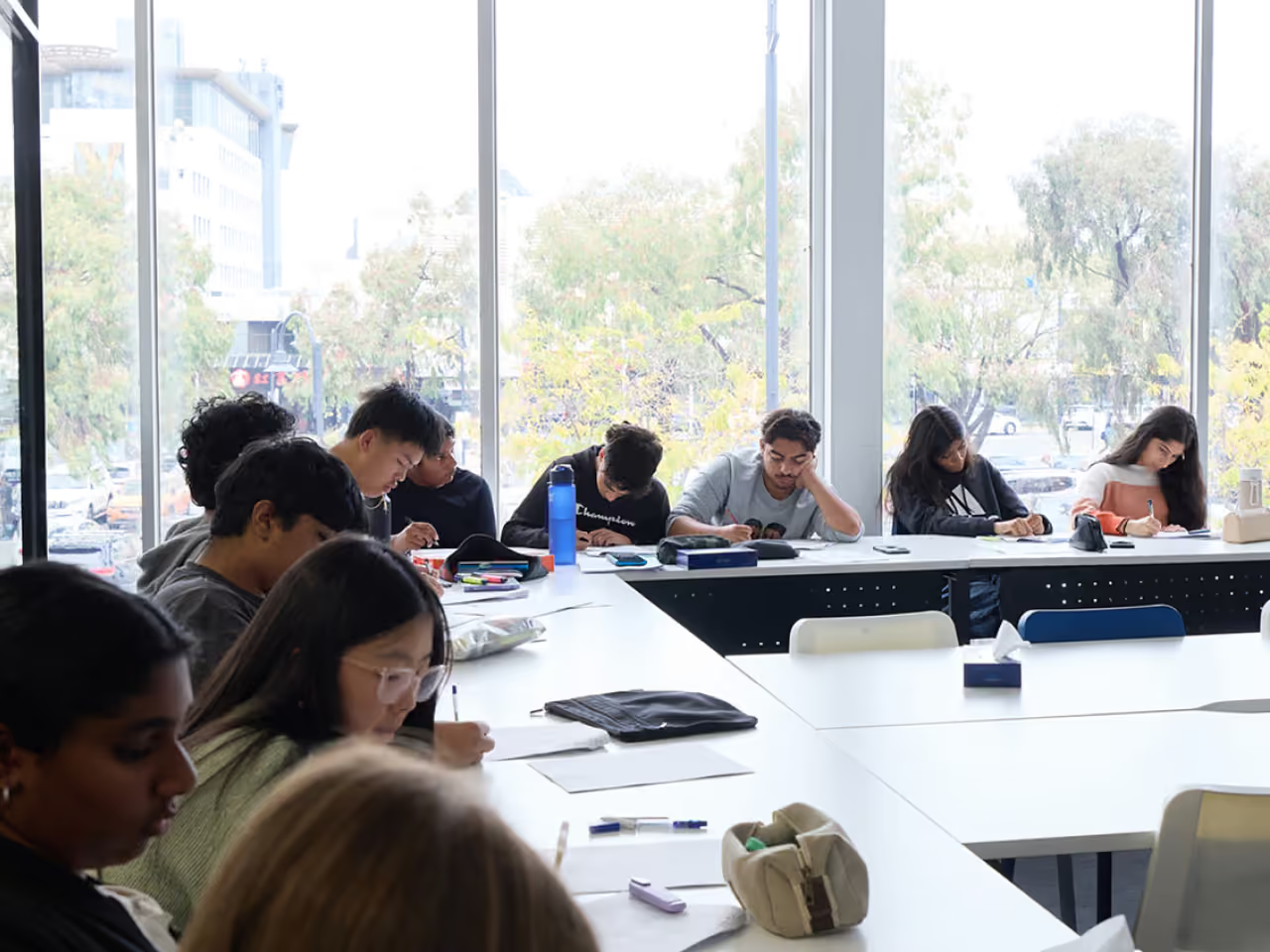
Contour Education runs small-group classes for Years 7 to 12, with a two-hour weekly class, weekly workbooks, unlimited 1-on-1 consultations and 24/7 text support included for every subject. Our tutors have all sat the same exams recently and excelled in them. The best way to decide whether it suits your child is to see it: every program opens with an obligation-free trial, so your child can sit in a real class before you decide anything.